
How to Get Rid of Aphids: Water, Soap and Natural Enemies
Knock aphids off with a strong spray of water, prune out infested tips and keep ants off so lady beetles and parasitic wasps can work. If a spray is needed, usually insecticidal soap or horticultural oil, on both sides of the leaves, following the label. Twelve extension pages compared, with their splits shown.
Sources: UC Statewide IPM Program, University of Minnesota Extension, University of Maryland Extension, Clemson Cooperative Extension and 5 more. See the sources we used. How we source our guides
On this page
To get rid of aphids, knock them off with a strong spray of water, prune out the infested leaves and shoot tips, and keep ants off the plant so lady beetles and other natural enemies can feed. If you still need a spray, insecticidal soaps and oils are usually the first choice, applied thoroughly.
Aphids are small, soft-bodied insects that drink sap from tender growth, and nearly every plant occasionally hosts at least one kind. A few seldom matter; a crowd on young greens or seedlings does. This guide follows twelve extension pages from nine universities, listed at the end.
| Size | 1/16 to 1/8 inch; one guide gives 1.5 to 5.0 mm |
|---|---|
| Key sign | Two tailpipes, called cornicles, on the rear end: one guide says most species have them, another says all do, some smaller |
| Where | Undersides of leaves, new shoots and buds |
| Clues | Sticky honeydew, often with black sooty mold; ants; white cast skins |
| Breeding | Live young, often up to 12 a day; for many species, newborn to adult in 7 to 8 days when warm, or about 10 to 14 days in another guide |
| First step | A strong spray of water, or rub, squish or prune them off |
| If you spray | Insecticidal soap or horticultural oil on both sides of the leaves, by the label |
| Allies | Lady beetles, lacewing larvae, syrphid fly larvae, parasitic wasps |
What are aphids?
An aphid is a small, pear-shaped insect with long legs and antennae that pierces stems and leaves and sucks out the fluids. Many species are hard to tell apart, but managing most of them works the same way.
Most species have a pair of tubes pointing backward from the abdomen, called cornicles or tailpipes, which no other insect has; one guide says all aphids have them, some smaller. Look-alikes such as woolly adelgids, mealybugs, whiteflies and barklice have none. Most aphids you find are wingless; winged ones appear when a colony gets crowded or the plant declines, and these poor fliers can still ride the wind for miles.
They multiply fast because, for most of the season, there are no males: females bear live young without mating, often as many as 12 a day. On the timing, the guides part ways:
- The fastest figure: in warm weather many species reach breeding age seven to eight days after birth, and each adult can produce up to 80 young in about a week.
- A slower one: a newborn usually takes about 10 to 14 days to reach full size, then has three to five young a day.
- The whole life cycle: most aphids can complete it in as little as 1 to 2 weeks, and the cabbage aphid can run through up to 15 generations a season.
| Aphid | Crops named |
|---|---|
| Green peach aphid | Tomato, peppers, spinach, lettuce, carrot, cucurbits, legumes, potato, cabbage |
| Cabbage aphid | Mustard family crops: kale, collards, broccoli, Brussels sprouts, kohlrabi, radish, cabbage |
| Turnip aphid | Turnips, collards, kale, mustard |
| Melon (cotton) aphid | Cucumbers, watermelons and other cucurbits, carrot, asparagus, pepper, eggplant, okra |
| Potato aphid | Potato, tomato, lettuce, spinach, peppers, eggplant |
| Bean aphid | Legumes; bean, spinach, lettuce, squash, carrot |
So the gray-green, waxy aphids packed into the youngest leaves of your kale or cauliflower are likely cabbage aphids, which feed only on the mustard family; the brassicas guide covers the family. Green peach and potato aphids turn up on peppers and tomatoes, melon aphids on cucumbers and melons.
Are aphids harmful to plants?
Usually not by much. One guide says that in most cases aphids do little or no harm to a plant's health and that treating them for the plant's sake is usually unnecessary; another, that feeding damage tends to be minimal. Trouble comes with large numbers:
- Yellow, curled or stunted growth. Big colonies yellow leaves and stunt shoots, and some species inject a toxin that curls leaves. Heavy feeding can stunt seedlings and small plants, or even kill them.
- Honeydew and sooty mold. Aphids excrete a sticky, sugary waste called honeydew, and a black sooty mold often grows on it. Honeydew generally does no harm; on the mold, one guide calls it harmless to the plant, while another says it may restrict photosynthesis.
- Viruses. The cucurbits (squash and pumpkin, cucumber, melon), along with beans, potato, lettuce, beets, chard and bok choy, often carry viruses that aphids spread. Killing aphids does little to stop them, since an aphid passes a virus on within minutes and a spray takes far longer to kill it.
How fast to act depends on the guide. One, written about fall greens such as collards and kale, says to control aphids the moment you find them, since in vegetable gardens an outbreak usually does lasting damage before natural enemies catch up. The two guides above lean the other way. We read the split as one about the plant: a green you eat, or a seedling, has less to spare than a shrub.
How do you check plants for aphids?
Turn the leaves over, since many species prefer the undersides. Look under the tender new leaves every week, or at least twice a week while plants grow fast, as one guide does. Start at the upwind edge of the garden. The clues:
- Honeydew, a glossy, sticky coat that can cover leaves or anything below.
- Ants roaming the stems or the base of a plant.
- White cast skins from molting, often easier to spot than the aphids.
- Leaves often curled or puckered. Once aphids have curled the leaves, they are often difficult to control, because the curl shelters them.
- Mummies, swollen tan or bronze aphids, a sign parasitic wasps are at work.
| State | When aphids are worst |
|---|---|
| CA | Many species: late spring, 65 to 80 F; in the Central Valley and the deserts, summer heat cuts many species back |
| OR | Usually July and August |
| NC | Cool, dry weather for cabbage and turnip aphids, which survive the winter there |
| SC | Some species anytime between spring and fall |
| WI | Usually spring, when cool weather slows natural enemies |
In our reading there is no single aphid season; it turns on the species and the climate, so keep checking all season.
How to get rid of aphids: start with water and your hands
These are the steps most of the extension pages put ahead of any insecticide:
- Hose them off. A hard stream of water dislodges aphids, and most never make it back onto the plant; the hosing itself may kill them. Use a hose nozzle's jet or shower setting, never a pressure washer, wet both sides of the leaves, and spray early in the day so the plant dries fast in the sun. Keep it for sturdy plants.
- Rub or squish them. Aphids are soft and slow, so you can crush them with your fingers or wipe them off with a damp cloth. This works only on small, early infestations.
- Prune them out. Where aphids are confined to a few curled leaves or shoot tips, the top choice may be to cut those parts out and dispose of them. If you find only a few aphids, break off the infested leaves.
- Wait out the heat. Some aphids cannot stand hot weather and will be gone by midsummer.
Rain helps, too: a good rainstorm can knock aphids off.
Why are ants on my aphids?
Ants sometimes eat the honeydew aphids make and guard the colony from predators in return, which makes managing ants a key part of managing aphids.
- Band the trunk. On trees and woody plants, ring the trunk with a band of sticky material. On young or thin-barked trees, put the band on a fabric tree wrap or duct tape, not on the bark.
- Bait on the ground. Ant stakes or containerized baits on the soil work on the ants alone, leaving aphids and their enemies untouched.
- Cut the bridges. Prune branches that touch a building, the ground or another tree.
- Knock them off small plants. Shake or hose the ants off first, then deal with the aphids.
Which natural enemies eat aphids?
Lady beetles have company:
- Lady beetles, adults and larvae; the larvae are particularly voracious.
- Green lacewing larvae.
- Syrphid fly larvae, also called flower fly or hover fly larvae.
- Parasitic wasps, which lay an egg inside an aphid and turn it into a crusty, golden brown mummy. They do not sting people.
- Soldier beetles, plus spiders, earwigs and songbirds.
- Fungal disease. In humid weather fungi can kill whole colonies; the dead aphids turn reddish or brown and look fuzzy.
Count the mummies before you spray. Once mummies show up, the aphid population will likely drop a great deal within a week or two in warm weather; check for natural enemies before any insecticide. They do run behind: they seldom show up in force until aphids are numerous, and cool spring weather holds them back, so they do most of their work in summer and fall. To keep them working:
- Skip broad-spectrum insecticides, which can kill natural enemies along with aphids.
- Plant flowers for nectar and pollen through the season. Flowers that attract lady beetles include sunflowers, clovers, liatris and coreopsis, and lacewings can be drawn in with cosmos, coreopsis and clover. Companion flowers may help too; see our companion planting guide.
- Spray only the worst plants if you spray at all, sparing the enemies on the rest.
Should you buy lady beetles for aphids?
Probably not for an outdoor garden, though the guides do not all agree:
| Answer | Why |
|---|---|
| May give some temporary control, handled well | Most leave within a few days; one heavily infested rose bush needed two releases of about 1,500 beetles each, spaced a week apart |
| Not recommended | Typically collected while hibernating in the western U.S., they fly off to find a new spot; green lacewing larvae can be bought and released |
| No need for outdoor plants | Lab-raised insects might carry diseases into local populations, and many disperse |
| Some natural enemies can be bought | Check first that the ones already there are not doing the job |
| An option | Alongside drawing them into the garden |
If you release them anyway, keep the beetles refrigerated, let them go at dusk (in daylight they fly off at once) and mist them and the plant first. In our reading, four of the five favor drawing in the natural enemies already around you over buying them, while the fifth lists attracting or buying them as equal options.
How to use insecticidal soap and horticultural oil on aphids
When water and natural enemies fall behind, soap or oil is the first spray two of the guides name, and a third counts both as effective against aphids. Both smother aphids on contact, so they kill only the aphids they wet.
- Read the label first. It should list aphids and the plant you are treating, and it has the final say on legal use.
- Mix it as the label says. The usual strength for insecticidal soap is a 1 to 2% solution; follow your product's label, since a stronger mix may do real harm. Oil sprays are usually mixed at the same 1 to 2%.
- Cover every leaf, tops and above all undersides.
- Mind the heat. Don't spray soap or oil on plants short of water, or when it is above 90 F; keep soap out of full sun by spraying early or late in the day. For oils on woody plants, one guide sets its limits at above 100 F or below freezing, and it counts humidity above 90 percent as a risk.
- Test a few leaves. Try the spray on a small patch of leaves and look for damage 24 hours to several days later, before a full treatment.
- Repeat when needed. Soap and oil kill only the aphids present on the day you spray. Repeat sprays may be needed every 4 to 7 days, as the label directs, but leaf damage can build up with too many sprays.
- Check your water. Hard water weakens soap. In a jar test (mix, shake, let it stand 15 minutes), scum on top means use distilled or bottled water.
Some plants take damage: plants sensitive to soap include sweet pea, nasturtium, lantana, cherries and plums, while black walnut, maples, junipers and spruce tend to be sensitive to oil.
A contact spray cannot reach aphids inside curled leaves or galls, so prune those leaves out. Woolly aphids, coated in white wax, are not affected by soaps and oils either. Because these sprays leave no toxic residue, they spare beneficial insects that show up once the spray has dried, though they can kill the ones they hit. One guide sprays late in the day to protect beneficial insects; keep contact sprays off and away from plants in bloom, to protect pollinators.
On fruit trees, supreme or superior oils sprayed as a delayed-dormant treatment in early spring kill overwintering aphid eggs, though the spray is probably not justified for aphids alone.
What about neem oil, pyrethrins and stronger insecticides?
Each has trade-offs:
- Neem. Guides describe it two ways: one says neem (azadirachtin) discourages feeding, so aphids stop eating and die slowly; another groups neem oil with the oils that smother aphids.
- Pyrethrins can give a fairly quick knockdown, a step up from soaps and oils, but they last only minutes to hours on the leaves.
- Longer-lasting, broad-spectrum sprays. They can kill natural enemies too, which can make aphid problems worse. They are tied to bee kills, repeated use may breed resistance, and they are not for plants in bloom that bees visit.
- Systemic insecticides reach aphids in curled leaves, but they may harm bees and other pollinators. Rules vary by state: in California, as of January 2025, only licensed pest control professionals have access to them, and in Maryland the neonicotinoid group is restricted outdoors to certified applicators.
This guide names no pesticide products. Whatever you use, read the label and follow it: the label is the law, and some products carry a waiting period between spraying a vegetable and harvesting it.
How do you keep aphids off vegetable seedlings?
Start clean and keep young plants covered, since many vegetables are most at risk as seedlings.
- Cover the seedlings. Raise seedlings under protective covers and transplant them once they are older and better able to tolerate aphid feeding; the covers also block the spread of aphid-borne viruses. Row cover over seedlings and transplants comes off when plants flower, for pollination.
- Lay silver mulch. Silver reflective mulches have cut the spread of aphid-borne viruses to summer squash, melons and similar crops by repelling aphids. Bury the edges, cut holes 3 to 4 inches across to plant in, run drip irrigation under plastic and pull the mulch when summer heat could overheat plants. Or cut an aluminum pie plate and set it upside down around a plant's base instead.
- Hold back on nitrogen. High nitrogen favors aphid reproduction, and too much drives the soft growth aphids prefer. Feed in small doses through the season.
- Pull the weeds. Sowthistle and mustards can carry large numbers of aphids that move to crop seedlings.
- Clean up in fall. Destroy badly infested vegetable and weed plants in fall, since they can hold overwintering eggs.
- Plant early. In Oregon, aphids are usually worst in July and August, so early broccoli, cabbage and other brassicas may be picked first.
The same steps carry over to the cucurbits and the nightshades.
Aphid sprays and supplies
What you need: a hose nozzle, a hand lens and, only if water and natural enemies fall behind, a soap or oil labeled for aphids on your plant.
- A hose nozzle with a jet or shower setting.
- A hand lens for cornicles, cast skins and mummies.
- Insecticidal soap or horticultural oil labeled for aphids on your plant, mixed in a clean sprayer.
- Row cover for seedlings and transplants.
- Silver reflective mulch for squash and melon beds.
What you'll need for aphids
As an Amazon Associate we earn from qualifying purchases.

Orbit Ultralight 10-Pattern Turret Pistol Hose Nozzle
A hose nozzle with a jet or shower setting.
Check price on Amazon
Gain Express 10X Triplet Jewelers Loupe
A hand lens for cornicles, cast skins and mummies.
Check price on Amazon
Chapin 1002 48-ounce handheld sprayer
Insecticidal soap or horticultural oil labeled for aphids on your plant, mixed in a clean sprayer.
Check price on Amazon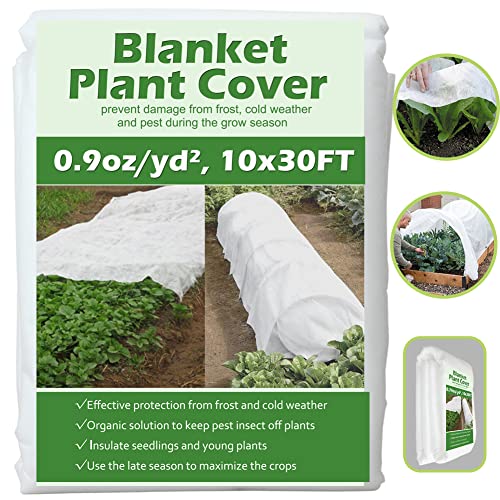
Valibe Floating Row Cover, 10 x 30 ft
Row cover for seedlings and transplants.
Check price on Amazon
Sources we used
All twelve aphid pages below were saved on October 29, 2026, the day we read them. Every number and control step above comes from them; where they split, as on buying lady beetles or how soon to act on fall greens, the text gives each side.
- "UC Statewide IPM Program: Pest Notes: Aphids" (UC ANR Publication 7404, updated 07/2013, with its Quick Tips)
- "University of Minnesota Extension: Aphids" (reviewed 2019)
- "University of Maryland Extension: Aphids in Home Gardens" (updated 2026)
- "Clemson Cooperative Extension, HGIC 2009: Integrated Pest Management (I.P.M.) for Aphids" (updated 2019)
- "Clemson Cooperative Extension, HGIC 2771: Insecticidal Soaps for Garden Pest Control" (updated 2021)
- "Colorado State University Extension: Aphids on Shade Trees and Ornamentals" (Fact Sheet 5.511)
- "Colorado State University Extension: Insect Control: Horticultural Oils" (Fact Sheet 5.569)
- "University of Missouri Extension: Aphids, Scales and Mites on Home Garden and Landscape Plants" (G7274)
- "N.C. Cooperative Extension, Pender County: How to Control Aphids in Vegetable Crops" (2020, updated 2022)
- "N.C. Cooperative Extension, Pamlico County: Managing Aphids in the Home Garden" (2025)
- "Oregon State University Extension: Common spring garden pests and how to manage them early" (reviewed 2025)
- "University of Wisconsin-Madison Extension: Aphids" (Wisconsin Horticulture, revised 2005)
Related guides
- How to grow kale, a favorite of the cabbage aphid.
- The brassicas, the mustard family the cabbage aphid feeds on.
- How to grow peppers, a host of green peach and potato aphids.
- How to grow eggplant, a host of melon and potato aphids.
- Companion planting, including flowers for natural enemies.
- Wandering jew plant (inch plant), a striped trailing houseplant.
- Money tree care, a braided houseplant.
- How to grow sunflowers, one of the flowers that draw in lady beetles.
- How to grow zinnias, a cut flower where aphids may turn up.
- How to grow fennel, an herb whose problems section covers aphids and swallowtail caterpillars.
- How to grow watermelon, where aphids may spread viruses such as watermelon mosaic.
Frequently asked questions
What kills aphids naturally?
Their predators, their parasites and plain water. Aphids have many natural enemies, among them lady beetles, lacewings, syrphid fly larvae, soldier beetles and tiny parasitic wasps, and ants shield aphids from them, so keep ants off the plant. A hard stream of water knocks aphids off sturdy plants, and most never make it back.
Can you use dish soap to kill aphids?
Two of the guides advise against it. One says store-bought insecticidal soap is a highly refined form of liquid dish soap, and a homemade mix greatly raises the risk of plant injury; the other warns against homemade fixes such as household soap or detergent. A third mentions a water-soap solution but, for sprays, names insecticidal soaps and oils.
Does neem oil kill aphids?
Neem products can, though they do not all work the same way. One guide counts neem oil among the oils that smother aphids, killing only those present on the day you spray. Another says neem (azadirachtin) is slower: aphids stop feeding and die over time. The oil part of neem extracts is mostly free of azadirachtin.
Do ladybugs get rid of aphids?
They help, but bought ones rarely stay. Purchased lady beetles may give some temporary control, yet most leave within a few days, and one heavily infested rose bush needed two releases of about 1,500 beetles each. One guide does not recommend buying them, another sees no need on outdoor plants, and both would rather draw in the lady beetles already nearby.
Why are there ants on my plants with aphids?
The ants are likely feeding on the honeydew aphids excrete, and they guard the colony from predators in return. Many ants climbing a tree often point to aphids higher up, and managing ants is a key part of managing aphids. Band trunks with sticky material, over a wrap on young trees, and set out ant baits.
Why do aphids keep coming back?
They breed fast and arrive on the wind. Females bear live young without mating, often up to 12 a day, and winged aphids can ride the wind for miles. Broad-spectrum sprays can make it worse by killing the predators that hold aphids down, and high nitrogen favors aphid reproduction.