
Rosemary Plant: How to Grow Rosemary in Pots and Overwinter
Common rosemary is winter hardy in USDA zones 8 to 10, or wherever winters stay above 5 F; colder than that, grow it in a pot and bring it in when the first fall frost is 2 to 3 weeks away, or just before a frost. Give it full sun and fast drainage, let it dry out between waterings, and start it from cuttings rather than seed.
Sources: NC State Extension Gardener Plant Toolbox, Penn State Extension, University of Wisconsin-Madison Extension, Illinois Extension and 9 more. See the sources we used. How we source our guides
On this page
Grow rosemary in full sun and light, well-drained soil, and water it sparingly: overwatering is the common cause of decline or death. Where winters are too cold for it, keep rosemary in a pot that moves indoors to a sunny south window when the first fall frost is 2 to 3 weeks away, or just before a frost. Seed is slow to sprout, and you might find more success with stem cuttings.
Rosemary, a woody evergreen of the mint family (Lamiaceae), comes from dry, rocky ground in the Mediterranean, Africa, Europe and western Asia. This guide compares eleven extension services on hardiness, pots, water and cuttings, and turns the bring-indoors timing into dates at four airport weather stations.
| Winter hardiness | USDA zones 8 to 10, or wherever winters stay above 5 F (zone 7b on the zone map's legend, our reading) |
|---|---|
| Sun | Full sun, at least 6 hours a day |
| Soil | Light and well-drained; pH 6.0 to 7.0, most often given as 6.5 to 7.0 |
| Size | 2 to 6 feet tall and wide |
| How to start | Stem cuttings or layering; seed is slow and named cultivars do not come true from it |
| Cuttings root in | 10 to 20 days with bottom heat of 70 to 75 F; about 8 weeks on a windowsill |
| Spacing | Transplants 2 feet apart, or 3 to 6 feet of space for each plant |
| Pot size | 5 gallons or larger |
| Water | Let it dry out between waterings, on average every 1 to 2 weeks |
| Move indoors | When the first fall frost is 2 to 3 weeks off, or just before a frost |
| Winter indoors | Ideally a south window; a cooler room, 45 to 55 F, can improve survival |
Is rosemary hardy where you live?
Rosemary stays outdoors all year only where winters are mild. Common rosemary is rated for USDA zones 8 to 10, or zone 8 and above; a wider line calls it hardy wherever winter temperatures stay above 5 F. Those lines differ: on the zone map's legend, 5 F is the floor of zone 7b (5 to 10 F), half a zone colder than zone 8 (our reading). A zone describes cold, not a date: the map is drawn from each place's average coldest winter night, in bands 10 F wide with 5 F halves.
Below zone 8 the ratings part ways:
| Rosemary | Cold hardiness given | Notes |
|---|---|---|
| Common rosemary | Zones 8 to 10, or zone 8 and above; by a wider line, wherever winters stay above 5 F (zone 7b) | A tender perennial, and hardiness varies; unreliable in zone 6 and colder, where it is overwintered indoors, generally grown as a potted plant |
| 'Arp' | Zone 7a, potentially 6a with protection; to perhaps zone 6 | One cultivar list calls it the hardest; a reliably hardy choice in upstate South Carolina |
| 'Madeline Hill', or 'Hill Hardy' as it is also listed | Can come through zone 7a, or 6a in a sheltered site | 'Hill Hardy' is a reliably hardy choice in upstate South Carolina |
| 'Arp', 'Athens Blue Spire', 'Madalene Hill' and 'Miss Jessop's Upright' | Zone 7, or 6b with protection | Grouped as the hardier cultivars |
| Prostrate cultivars | Less cold hardy | Not given |
Our reading of the table: zone 7 is the edge, where a hardier cultivar such as 'Arp' may come through, and in zone 6 every rating adds a hedge or asks for protection. In the Northeast, common rosemary is moved indoors or to a sheltered spot for winter. In Florida it thrives year round, though it may need cover from freezes in the state's colder areas, and a healthy plant can tolerate a light freeze.
How to grow rosemary in pots
Pot rosemary in a container of 5 gallons or more with drainage holes, the size large herbs such as rosemary, bay and sage need. For container herbs, use a light, free-draining commercial soilless mix, and for herbs kept indoors, blend two parts soilless mix with one part perlite.
Clay suits it: clay or terracotta is porous, so the mix dries quickly between waterings. Basil, mint, parsley and cilantro need steadier moisture than rosemary, thyme, oregano or lavender, herbs that like to dry out more between waterings; group herbs with like needs, so pot rosemary with the dry group.
If the plant will winter indoors, grow it in its pot all season. Garden rosemary transplants poorly, so keep it in a container on a deck, patio or porch; plants dug from the garden often die from the stress of repotting. There are two workarounds: sink the pot in a bed with its rim below the soil line, which spares the roots at moving time, or plant in the ground, then dig and repot it while the first fall frost is still 2 to 3 weeks away.
For potted herbs, one schedule feeds every 3 to 4 weeks outdoors and every six weeks indoors, using liquid fertilizer at half strength; how much rosemary needs is a split (below).
Planting rosemary in the ground: sun and drainage
Plant rosemary in the sunniest, fastest-draining spot you have: full sun, meaning direct sun for 6 hours or longer each day, in light, slightly acidic soil that runs dry to medium. It tolerates most soils except clay and copes poorly with wet, humid conditions. Light, sandy or gravelly soil suits it, or, for most varieties, loamy, slightly acidic soil; the pH ranges given run from 6.0 to 7.0, and two of the three say 6.5 to 7.0.
Raise the bed where water lingers. Mix about 4 inches of compost 6 to 8 inches deep, and raise or slightly mound the bed to improve drainage further. For South Carolina clay, work 2 to 3 inches of coarse compost, cracked pea gravel or fine pine bark into the top 8 to 12 inches, then build raised beds.
Mulch with stone rather than bark. Pea gravel or a sandy mulch is preferred to organic mulch, which holds moisture, and gray-leaved herbs can benefit from 1 to 2 inches of pea gravel. One guide sets transplants 2 feet apart, while another lists 3 to 6 feet as the space to plant it in.
Feeding is a split. One guide says rosemary seldom needs fertilizer and feeds once in early spring only if growth is slow, stunted or pale yellow; another finds regular fertilization gives the best foliage for harvest; a third feeds lightly, since excess fertilizer reduces flowering and fragrance.
Set plants out after frost danger is over, into soil near 60 F, which warm-season herbs such as rosemary prefer; 50 F is the floor for transplanting any herb. In South Carolina, perennial herbs go in during autumn or early spring where possible, so they are established before summer.
What to plant with rosemary
Plant rosemary beside herbs that also like dry soil: herb gardens often pair it with thyme, oregano, sage and lavender, and all four are among the herbs that need to dry out between waterings. In the vegetable garden, rosemary is among the herbs that can draw the parasitic wasps that attack caterpillars such as the tomato hornworm and diamondback moth, whose larvae eat cauliflower leaves, and slugs avoid it. It is also said to repel carrot flies, bean beetles and cabbage moths. The companion planting chart sets out the evidence pair by pair.
How to overwinter rosemary indoors
Bring potted rosemary in before frost, give it the sunniest window in the coolest room, and water it only when the mix is dry. Move pots in when the first fall frost date is 2 to 3 weeks away, and dig and repot garden plants on the same schedule; plants can also stay out into fall and come in just before a frost.
| Weather station (1991-2020 normals) | Median first fall 32 F | Bring pots in, 2 to 3 weeks before | Median last spring 32 F |
|---|---|---|---|
| Minneapolis-St. Paul, MN | Oct 18 | Sep 27 to Oct 4 | Apr 23 |
| Chicago O'Hare, IL | Oct 28 | Oct 7 to Oct 14 | Apr 16 |
| Washington Reagan, VA | Nov 18 | Oct 28 to Nov 4 | Mar 24 |
| Atlanta Hartsfield, GA | Nov 20 | Oct 30 to Nov 6 | Mar 15 |
The bring-in window is our arithmetic: 2 to 3 weeks counted back 14 to 21 days from each median. A median is a 50 percent date, so in about half of all years the first fall freeze (32 F) arrives before it, and the last spring freeze after the spring date shown. Whether a pot must come in at all depends on your winter low and cultivar (the hardiness table above), not on these dates.
In spring, set pots back outdoors after the danger of frost; overwintered perennial herbs go out in late spring as the weather warms. Ease container herbs indoors gradually, starting in early fall, so they adjust to indoor light and temperature.
Indoors, give it strong light and a cool room. Set the pot in a south window in full sun, or under supplemental light, with good air circulation. Rosemary may need a full-spectrum LED or fluorescent grow light on a timer, 12 to 16 hours a day. A cooler room, between 45 and 55 F, can improve survival; rosemary prefers somewhere cool, even cold, sunny and humid.
Dry indoor air is the other hazard. Rosemary dries out quickly indoors, usually showing brown leaf tips and dieback, and more water, which can rot the roots, is not the answer; more humidity helps: a saucer of pebbles and water under the pot, and frequent misting.
Expect a slow winter. Rosemary grows little in winter's low light, and it can be difficult to overwinter indoors: low light and watering that is too scant or too heavy may make it so. Watch indoor plants for spider mites, aphids, whiteflies and mealybugs, and for powdery mildew where air is still and humid.
Watering rosemary without root rot
Water rosemary deeply, then let it dry out before the next drink: on average every 1 to 2 weeks, by plant size and weather. The needles do not wilt the way broad leaves do, so thirst can be hard to read.
Too much water is the bigger risk. Overwatering is the common cause of decline or death, by one account the biggest; the root rot it causes can kill rosemary outdoors and is most dangerous in pots kept indoors over winter.
How dry is less settled. One guide keeps the soil moist but makes good drainage a requirement; another waters herbs thoroughly and lets the soil dry out somewhat; a third says rosemary prefers to dry out more between waterings than basil or lettuce, and a fourth lets it dry thoroughly. Our reading: they agree on fast drainage more than on how dry to let it get.
In a garden bed, one schedule waters herbs deeply once a week, soaking the soil 8 inches down. Water early enough in the day for the leaves to dry before night. Established rosemary tolerates drought but struggles in wet clay that drains poorly.
Pots dry faster in heat, and dry winter air dries the mix of herbs wintering in pots. Water until it drips from the drainage holes. Indoors, let the mix dry first, though how far varies: once the top 1/2 inch is dry, once it feels dry, before wilting starts, or only once the potting mix is very dry. Expect to water less in a cool room.
How to grow rosemary from cuttings
Root a 3 to 6 inch tip cutting from a healthy plant: it is quicker than seed, and the new plant keeps its parent's traits, which seedlings of a named cultivar do not. The steps:
- Take a tip cutting. Cut 3 to 6 inches from a shoot without flowers, in late spring or early summer.
- Strip the lower leaves. Clear most leaves from the bottom 1 1/2 inches. Rooting hormone on the base can speed rooting.
- Set it in a light rooting medium. Use a clean, airy soilless mix or perlite; one or two cuttings fit a 3 inch pot. Water them.
- Keep it warm. Give bottom heat of 70 to 75 F, or keep the pot on a windowsill out of direct sun, at 60 to 70 F.
- Plant it out once rooted. Roots form in 10 to 20 days over bottom heat, or in about 8 weeks on a windowsill. Then set plants in full sun, 2 feet apart.
Guides split on how readily it roots. One says cuttings root easily and grow quickly into usable plants, while another says rosemary can be difficult to start from seed or cuttings and suggests buying a plant from a garden center.
Seed is the slow road. Viability is low and germination irregular and slow, 14 to 21 days even at an ideal 60 F; a seedling may take up to three years to grow big enough for a good harvest. 'Rosy' is a seed-raised variety selected for more reliable, faster germination. If you do sow, start seed indoors 8 to 12 weeks earlier than your last spring frost; a general schedule for herb seed starts it about 6 to 8 weeks ahead of transplanting.
Pruning and harvesting rosemary
Snip rosemary a little at a time all season, and save heavier pruning for after it flowers. Cut leaves for fresh use at any point in the growing season, taking the tender tips as needed.
- How much. Pick small amounts. Limits run from no more than 20 percent of the growth at a time to only the top third of a potted perennial herb. Harvest several times a season, but let the plant replace its growth between cuts.
- Where to cut. Avoid cutting into the woody part of a stem except to shape the plant.
- When for flavor. Harvest just before bloom, when the oils peak, cutting in the morning once the dew is off.
- First harvest. The usual span from planting is 3 months for a nursery plant, 1 year for a cutting and 15 months for seed, though by another count a seedling may take up to three years to give a good harvest.
Prune after flowering. How hard is a split: rosemary tolerates heavy pruning, and a severe cut once the bloom has passed is an option for denser foliage, while another guide says older plants can be pruned lightly. Thinning overgrown plants lets air through, which can reduce disease and spurs new shoots.
Refrigerated, fresh sprigs hold peak flavor for 2 to 7 days. To keep it longer, hang bundles upside down to dry in an open room, or slice the leaves finely and freeze them in foil, a zip-top bag, or water in an ice cube tray.
Rosemary plants and supplies
Seed is usually inexpensive but the slowest start; a cutting or a nursery plant usually reaches harvest sooner. For a pot, choose clay or terracotta of 5 gallons or more with drainage holes, filled with soilless mix and perlite. Add a grow light on a timer for winter if needed, and rooting hormone for cuttings.
What you'll need for rosemary
As an Amazon Associate we earn from qualifying purchases.

PLANTATOREM Deroma Heavy Rim Terracotta Pot, 16.5 in
A clay or terracotta pot of 5 gallons or more with drainage holes; porous walls let the mix dry between waterings.
Check price on Amazon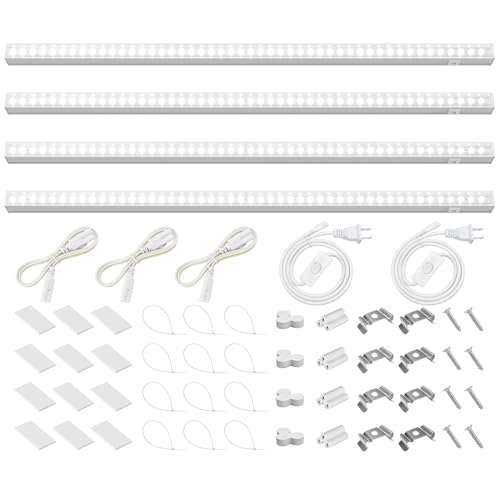
Barrina T5 10W LED Grow Lights 2FT 5000K, 4 Pack
Add a grow light on a timer for winter if needed.
Check price on Amazon
GE 24-Hour Plug-In Mechanical Timer, 2 Pack
Add a grow light on a timer for winter if needed.
Check price on Amazon
Garden Safe TakeRoot Rooting Hormone, 2 oz, 3 Pack
Rooting hormone for cuttings.
Check price on Amazon
Sources we used
Each figure here comes from a page listed below and saved when we read it; where they disagree, the text gives the range or the split.
- "NC State Extension Gardener Plant Toolbox: Salvia rosmarinus"
- "Penn State Extension: Herb Garden Plants: Rosemary" and "Herbs Make Good Plant Partners and Companions" (both updated April 22, 2026)
- "University of Wisconsin-Madison Extension: Rosemary, Salvia rosmarinus" (revised June 2026) and its Chippewa County column "Rosemary, a favorite herb" (June 23, 2025)
- "Illinois Extension, Herb Gardening: Rosemary" and "Growing Herbs in Containers"
- "University of Maryland Extension: Rosemary" (updated February 20, 2023), "Growing Herbs in Containers and Indoors" (March 4, 2024), "Growing Vegetables in Containers and Salad Tables" (September 10, 2026) and "Vegetable Succession and Companion Planting" (July 30, 2026)
- "Clemson Cooperative Extension, HGIC 1311: Herbs" (updated Nov 25, 2019)
- "University of Minnesota Extension: Growing herbs in home gardens" (reviewed 2026) and "Growing cauliflower in home gardens" (reviewed 2022)
- "UNH Extension: Houseplant Winter Care Q and A" (November 17, 2020)
- "Iowa State University Extension: Can I grow herbs indoors over the winter?" (updated March 19, 2024)
- "Texas A&M AgriLife Extension, E-623: Easy Gardening: Rosemary" (dated 1/13)
- "UF/IFAS Extension Gardening Solutions: Rosemary"
- "USDA ARS: Plant Hardiness Zone Map" (2023 edition) and its national map legend
- "NOAA NCEI: U.S. Climate Normals, 1991-2020": median first fall and last spring 32 F dates for four airports, Atlanta Hartsfield, Washington Reagan, Chicago O'Hare and Minneapolis-St. Paul
Related guides
- Fungus gnats indoors, which breed in potting mix kept too wet, a risk for rosemary wintering indoors.
- How to grow cilantro, which wants steadier moisture than rosemary.
- How to grow tomatoes, whose hornworm is a target of the parasitic wasps rosemary can draw.
- How to grow cauliflower, a host of the diamondback moth.
- How to grow beans, from rosemary's companion lore.
- How to grow carrots, also in that lore.
- Brassicas, the cabbage family.
- Companion planting chart, which grades each pairing's evidence.
- Money tree care, for a braided houseplant that can spend summer outdoors.
Frequently asked questions
Can rosemary survive winter outside?
Common rosemary is winter hardy in USDA zones 8 to 10, and by a wider line wherever winters stay above 5 F, the floor of zone 7b. A few hardier cultivars, 'Arp' among them, are rated "to zone 7 or 6b with protection", or to zone 7a. Colder than that, overwinter it indoors; in the Northeast, the choice is indoors or a protected spot, kept as a container plant.
When should you plant rosemary?
Plant rosemary outdoors in spring after frost danger is over, in soil near 60 F, which warm-season herbs such as rosemary prefer; the floor for transplanting any herb is 50 F. In South Carolina, autumn or early spring is preferred for perennial herbs, so they establish before summer. Potted plants go back outdoors after frost.
How do you grow rosemary from cuttings?
Take a 3 to 6 inch stem tip and strip its lower leaves. Treated with rooting hormone, set in a sterile soilless mix and given bottom heat of 70 to 75 F, it roots in 10 to 20 days; a 3 inch cutting on a windowsill at 60 to 70 F roots in about 8 weeks.
How often should you water rosemary?
Water rosemary once the soil has dried out, on average every 1 to 2 weeks, varying with plant size and weather. Overwatering is the common cause of decline or death. Indoors in winter, let the potting mix dry first, from the top 1/2 inch to very dry; a cool room needs less water.
Why is my rosemary turning brown?
Browning tips can be a sign of root rot from overwatering. Indoors, dry air usually browns the tips too; the fix there is more humidity, not extra water, with the soil kept on the dry side. Our suggestion: feel the mix, and if it stays wet, water less.
How big a pot does rosemary need?
Give rosemary a pot of at least 5 gallons with drainage holes, the size large herbs such as rosemary need. Clay or terracotta helps, because porous walls let the mix dry between waterings. If it will winter indoors, keep it potted all year: garden rosemary transplants poorly.
How do you harvest rosemary without killing the plant?
Cut a little at a time, from no more than 20 percent of the growth at once to the top third, and avoid cutting into woody stems except to shape the plant. Harvest several times a season, but let the plant regrow between cuts. For leaves to dry, cut before the plant blossoms.
What can I plant with rosemary?
Plant rosemary with dry-soil herbs such as thyme, oregano, sage and lavender: they often share its herb garden, and all four are among the herbs that dry out between waterings. One guide finds its volatile compounds repel aphids or make host plants harder to find; another says herbs "don't repel insect pests but rather confuse them."