
Squash Plant and Pumpkin Plant Guide: How to Grow Squash and Pumpkins
Sow squash and pumpkins after frost once the soil reaches 60 to 70 F, 1/2 to 1 inch deep, with room for the vines. Pick summer squash young; leave winter squash and pumpkins until the rind is hard, then cure them. Tromboncino works both ways.
Sources: University of Illinois Extension, University of Minnesota Extension, University of Maryland Extension, Clemson Cooperative Extension and 4 more. See the sources we used. How we source our guides

On this page (13)
To grow a squash or pumpkin plant, wait until frost is past and the soil has warmed, then sow seed where the vines have room to run, 1/2 to 1 inch deep. Warm means 60 to 70 F, depending on the crop and on how deep you measure. Summer squash is picked young, often from about 55 days. Winter squash and pumpkins are left on the vine until the rind is hard, then cured to keep for months. Tromboncino sits in both camps: pick it young like zucchini or let it mature like butternut.
Water squash and pumpkin vines at the base and keep the leaves dry; drip or a soaker hose does that better than a sprinkler.
| Sun | Full sun, at least 6 hours of direct light, 8 to 10 preferred |
|---|---|
| Sowing depth | 1/2 to 1 inch |
| Spacing | 8 inches to 6 feet: summer squash closest (8 to 36 inches), vining pumpkin hills widest (5 to 6 feet); rows 3 to 15 feet apart |
| Soil temperature | 60 to 70 F to sow, measured 2 to 4 inches down: 65 F at 2 inches for pumpkins and winter squash and 70 F for summer squash, or 60 F at 4 inches |
| Water | About 1 inch a week, at least 1 inch for pumpkins and winter squash |
| Days to maturity | Summer squash about 55; winter squash 60 to 100; most pumpkins more than 100 |
| Frost tolerance | None: seedlings are injured by frost; fruit can be injured under 28 F |
When to plant squash and pumpkins
Squash is a tender crop. The seed will not sprout in cold soil and frost injures the seedlings, so nothing goes out until the danger of frost is over and the soil is warm. Two dates frame the season: the average last spring frost, which opens it, and the average first fall frost, which ends it. The table uses the 1991 to 2020 freeze normals for four airport weather stations (dates where the odds of a 32 F night are 50 percent) and counts back from the fall frost by days to harvest: more than 100 days for most pumpkins and about 55 days for summer squash.
| Station | Last spring frost (50%) | Latest sowing, 100-day pumpkin | Latest sowing, 55-day summer squash | First fall frost (50%) |
|---|---|---|---|---|
| Minneapolis-St. Paul, MN | Apr 23 | Jul 10 | Aug 24 | Oct 18 |
| Baltimore (BWI), MD | Apr 10 | Jul 23 | Sep 6 | Oct 31 |
| Raleigh-Durham, NC | Mar 31 | Jul 27 | Sep 10 | Nov 4 |
| Dallas-Fort Worth, TX | Mar 8 | Aug 16 | Sep 30 | Nov 24 |
Station dates: 1991 to 2020 normals, each with even odds (50 percent) of 32 F. The spring date only opens the window; wait for warm soil. Latest sowing = first fall frost minus days to harvest (more than 100 for most pumpkins; about 55 for summer squash).
The spring date is a floor, not a planting day. At Minneapolis-St. Paul the last frost falls in late April, yet in Minnesota squash planting typically falls in late May to early June, once the soil has caught up. Use a soil thermometer rather than the calendar. Your hardiness zone will not tell you the frost date either: look up the normals for the station nearest you.
For Halloween pumpkins, plant from late May in the north to early July in the far south; pumpkins planted too early may soften and rot before the holiday. In Maryland, a second planting of pumpkins and winter squash can go in between June 15 and July 1.
Find your dates by ZIP, or see the planting schedule for zone 6, zone 7 or zone 8.
What you'll need for squash and pumpkins
As an Amazon Associate we earn from qualifying purchases. Some links are paid.

Sow Right Seeds Rampicante Tromboncino Squash Seed
The moschata squash picked young like zucchini or mature like butternut.
Check price on Amazon
Axel's Garden Seeds Small Sugar Pumpkin Seeds
Smaller, sweeter fruit than a carving pumpkin.
Check price on Amazon
Tenax Hortonova Trellis Net
Holds tromboncino and small winter squash off the ground.
Check price on Amazon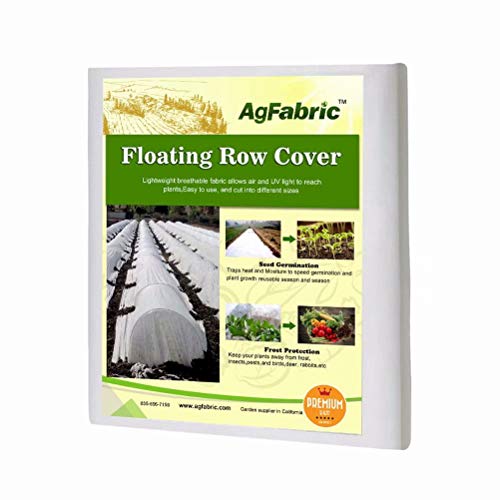
Agfabric 0.9 oz Row Cover
Row cover keeps insect pests off young vines and adds warmth on cold nights, until the first flowers open.
Check price on Amazon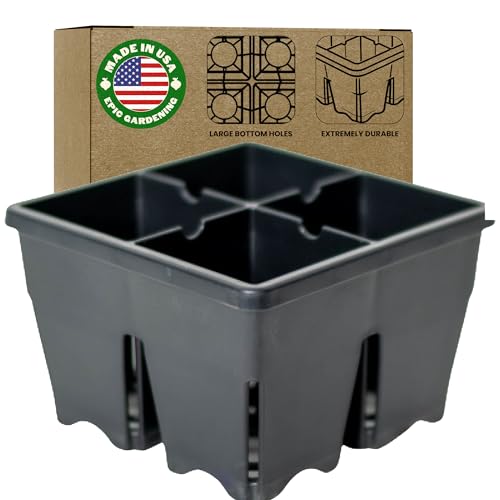
Epic Gardening 4-Cell Seed Starting Tray
For transplants in short seasons.
Check price on Amazon
Summer squash, winter squash and pumpkins: three species
The names are tradition, not botany. Varieties of each species are called pumpkins or squash more by habit than by system, and the two words are mostly interchangeable outside a show ring. What matters in the garden is the species, because it decides vine habit, pests and which varieties cross. Four species are usually counted among the pumpkins, squash and gourds; these three cover the squash on this page:
- Cucurbita pepo: summer squash (zucchini, crookneck, straightneck, pattypan), acorn, delicata and spaghetti squash, and most pumpkins grown for carving plus some grown for pie.
- Cucurbita moschata: butternut types, and tromboncino.
- Cucurbita maxima: Hubbard, kabocha and buttercup squash, and the giant pumpkins grown for competition.
Varieties within a species can cross with one another; varieties from different species do not. Crossing does not change this year's fruit. It only shows if you save the seed and grow it next year.
Summer squash is picked before the rind hardens, and many types grow as compact bushes. Winter squash and pumpkins are picked mature, with ripe seed and a tough rind, and most grow as long vines.
Warm soil first: sowing and transplanting squash
Every source waits for warm soil, but they name different numbers and measure at different depths, from 60 F four inches down to 70 F at two inches. That is the main disagreement on this page, and the table below sets the figures side by side.
| What | Range | Figures given |
|---|---|---|
| Seed depth | 1/2 to 1 in | 1 in; about 1/2 in (summer squash) and 3/4 in (pumpkin); about 1/2 in (pumpkin); 1/2 in (summer squash); 1/2 to 1 in |
| Soil warmth to sow | 60 to 70 F | Not until the soil has thoroughly warmed; 70 F (summer squash) and 65 F (pumpkin) at 2 in; after the soil has warmed; 60 F at 4 in; 62 F treated seed, 70 F untreated |
| Spacing in the row | 8 in to 6 ft | Summer squash 8 to 12 in, 12 to 15 in, or 24 to 36 in (bush); pumpkin 24 to 36 in, or 3 to 4 ft; winter squash 12 in (24 to 36 in large fruit); vining pumpkin hills 5 to 6 ft |
| Rows apart | 3 to 15 ft | Summer squash 3 ft; pumpkin 5 to 6 ft, or about 8 to 12 ft; winter squash 6 ft (12 ft for larger fruit); vining pumpkins 10 to 15 ft |
| Days to harvest | About 55 (summer squash) to more than 100 (most pumpkins) | Summer squash about 55; winter squash 60 to 100; acorn 80 to 100; most pumpkins more than 100; counted from direct seeding, about 14 fewer if transplanted |
| Curing | 3 to 20 days, by method | About 70 F for 10 to 20 days; field cure 1 to 2 weeks or 80 F indoors; sun about 5 to 7 days, or 80 to 90 F for 3 to 5 days |
| Storing winter squash | 45 to 60 F | 45 to 50 F after curing; 50 to 55 F (two sources); about 55 F; 55 to 60 F, with chills below 50 F shortening storage life |
| Summer squash in the refrigerator | Within 2 to 3 days, up to 1 week | Within two to three days; up to four days; up to 1 week |
Where the figures differ, every one is listed.
Direct sowing is the standard method, and the preferred one for summer squash. For bush summer squash, sow two or three seeds at each spot and thin to one plant when the seedlings stand 2 to 3 inches tall; final spacing runs from 8 to 12 inches up to 24 to 36 inches between plants. For vining pumpkins in hills, plant four or five seeds per hill, with 5 to 6 feet between hills, then thin to the two or three strongest plants.
Transplants buy time in short seasons, but squash roots resent disturbance. Sow indoors 3 to about 4 weeks before planting out, in cells or pots 2 inches or more wide and deep (3-inch containers work too), and set the seedlings out at two to three true leaves. Subtract about 14 days from a variety's days to maturity when you transplant instead of sowing. Handle the root ball as little as possible.
Warming the soil: black plastic mulch heats the bed and allows earlier planting. Hold off on straw or compost mulch until the soil reaches at least 75 F, because those mulches can slow warming. For a fall crop, paint the plastic white so it reflects heat.
Watering squash and pumpkins
Vine crops need about an inch of water every week, at least an inch for pumpkins and winter squash, counting rain and irrigation. Water the soil, not the leaves, with a drip or soaker hose in place of a sprinkler. Fruit set and fruit growth are the critical period for moisture.
Space, vines and trellising
Vining winter squash and pumpkins take a lot of room. Spacing advice for them runs from 2 to 3 feet between plants in rows 5 to 6 feet apart up to hills given 50 to 100 square feet or more each, with rows 10 to 15 feet apart for vining pumpkins and 7 to 12 feet apart for vining squash. Bush and semi-bush varieties need far less: bush types go 18 inches to 3 feet apart, in rows 4 to 6 feet apart.
What you'll need is this guide's shopping list.
A trellis saves ground for the smaller fruit. Train delicata and acorn up a trellis, but grow large-fruited squash on the ground, because they are too heavy to hang. Be ready to support trellised fruit as it grows. Trellised plants may need water more often.
Tromboncino: summer squash young, winter squash mature
Tromboncino is an Italian squash of the species Cucurbita moschata, the butternut species, even though seed sellers describe it as a summer squash. It earns its place where squash vine borers kill zucchini early: in one upstate South Carolina garden, they often knocked out the zucchini and yellow squash by the end of June. Butternut types, tromboncino included, have dense, solid stems that the borer rarely attacks.
- Picked young, it fills in for zucchini. Pick it as early as the day after the flower drops from the fruit, and while it is still tender, at 8 to 18 inches long or when the neck is about as thick as a banana.
- Left to mature, it becomes a large winter squash, listed at 100 days to a winter squash harvest, though the mature flesh is wetter and not as sweet as a standard butternut.
- Grow it up. It is a vigorous vine. Trellised fruit grows straight and is quick to find and pick; fruit left on the ground curls into odd shapes.
The days to a summer harvest run from 50 to 80, depending on the seller; one page even gives both 62 and 50.
Pollination and why the first flowers fall
Squash plants carry separate male and female flowers. A female flower has a small swelling at its base, the future fruit; a male flower sits on a thin stem. The earliest blooms are nearly always male, and each lasts a day before falling, a habit squash shares with other cucurbits such as cucumbers and muskmelons. Pumpkins can bloom male-only for 1 to 2 weeks before the first female flower opens. That is normal.
Bees carry the pollen. Cold, rainy or cloudy weather keeps them in and can leave fruit unformed or misshapen. Poorly formed or no fruit early in the season often clears up once bees find the planting.
Squash vine borers and squash bugs
Squash vine borer is a day-flying moth whose larva tunnels into the base of the stem, and the plant wilts almost overnight. Insecticides do not control borers well once they are inside. What helps: let vining types root at the joints along the vine so the plant survives an attack, and dispose of infested plants to cut next year's numbers. Carefully slitting the stem to remove the larva may also bring some success. In South Carolina, plant early to get ahead of the borers, which are worse later in the season. Growing a moschata type such as butternut or tromboncino sidesteps much of the problem.
Squash bugs often feed in groups and leave leaves ragged, and their numbers climb through late summer. Look for the eggs on the undersides of leaves, laid between the veins in a V pattern, and crush them.
Row covers shut insect pests out while plants are young, and they add warmth on cold nights. But they also keep out the bees, so take them off once flowering begins.
What to plant with squash and pumpkins
Blue Hubbard squash lures squash bugs, vine borers and cucumber beetles; plant it first, as a trap crop that protects your other squash and pumpkins, and the pests it draws can then be killed or removed. Research backs nasturtium, which can help reduce squash bugs. The three sisters pair squash with corn and beans; Washington State University finds no compelling published evidence of a gain. More in our three sisters planting chart.
Harvesting summer squash
Summer squash grows fast: fruit is usually ready 4 to 8 days after flowering, and most people pick too late. Look the plants over every 1 or 2 days. Size targets:
- Zucchini and other long types: most are picked at 2 inches or less across and 6 to 8 inches long.
- Crookneck and straightneck: 1.5 to 2 inches across.
- Pattypan and scallop: 3 to 4 inches across.
Pull oversized fruit even if you will not eat it; large fruit left on the vine slows new fruit. Cut with a knife or shears and wear gloves, since the stems are prickly. Summer squash keeps only a few days in the refrigerator, up to four days to a week, and is best used within two or three.
Harvesting and curing winter squash and pumpkins
Pick when the rind is hard and the color is deep and even, and get the crop in ahead of a hard freeze. Frost light enough only to kill the vine usually spares the fruit, but temperatures under 28 F can injure it. Cut, do not snap: leave about 1 to 2 inches of stem or more on squash and 3 to 4 inches on pumpkins. A pumpkin without its stem rarely keeps well.
Curing toughens the skin for storage, and the recipes differ quite a bit:
- In the field: leave the fruit out for about 5 days to two weeks of dry, sunny weather. Dark green squash can sunburn, so cure it out of direct sun.
- Indoors, warm: 80 to 90 F with ventilation for 3 to 5 days, or a warm 80 F space with good airflow when the weather turns cold or rainy.
- At room temperature: about 70 F, ordinary room warmth, for 10 to 20 days. Acorn, delicata and sweet dumpling need no curing.
Storage temperatures differ too. Store winter squash dry at 50 to 60 F; cured squash can go cooler, 45 to 50 F, for the long haul, though repeated chills below 50 F cause chilling injury and shorten storage life. Keep them in a single layer if space allows, and never in the refrigerator. Hard-rind types can keep up to six months, but acorn and butternut only up to 3 months.
Seeds and supplies
Pick seed by the job. For summer squash, a bush zucchini or yellow squash fits a small bed. Where vine borers have killed your zucchini before, tromboncino is the moschata stand-in. For winter keeping, a butternut is the same borer-resistant species, and a pie pumpkin often gives smaller, sweeter fruit than a carving type.
Supplies: trellis netting for tromboncino and small winter squash, a floating row cover for the weeks before bloom, and a seed tray if you start transplants indoors.
Sources we used
Five land-grant extension services and three seed companies supplied the growing advice on this page, read in October 2026. When they disagree, the page gives both figures or the range.
- University of Illinois Extension: "Pumpkin", "Summer Squash" and "Winter Squash"
- University of Minnesota Extension: "Growing summer squash and zucchini" and "Pumpkins and winter squash"
- University of Maryland Extension: "Growing Pumpkins in a Home Garden" and "Growing Winter Squash in a Home Garden"
- Clemson Cooperative Extension: "HGIC 1321, Summer Squash" and the 2019 "Tromboncino Squash" note
- Companion pages: "University of Minnesota Extension: Companion planting in home gardens", "Illinois Extension: Companion planting: Combining plants for a healthy, well-balanced garden" and "Washington State University Extension: Gardening with Companion Plants"
- "Johnny's Selected Seeds: Winter Squash Key Growing Information"
- Tromboncino pages from "Fruition Seeds" and "West Coast Seeds"
- "NOAA NCEI: U.S. Climate Normals, 1991-2020": freeze dates (50 percent probability) behind the squash calendar
Related guides
- How to grow tomatoes, the other warm-season staple
- How to grow peppers, planted into the same warm soil
- How to grow cauliflower, a cool-season crop for the other half of the year
- How to grow zucchini, the summer squash in depth
- How to grow cucumbers, vining cousins sown after frost
- How to grow melons, more cucurbits for hot summers
- How to grow okra, which also wants summer heat
- How to grow beans, the third of the three sisters
- The cucurbit family hub, tying squash to its cucumber and melon relatives
Frequently asked questions
When should I plant pumpkins?
Plant pumpkins after the last frost, in soil between 60 and 70 F: 65 F at two inches for pumpkins and winter squash and 70 F for summer squash, or 60 F at four inches. For Halloween fruit, plant from late May in the north to early July in the far south.
How do you plant pumpkin seeds?
Sow pumpkin seeds in warm soil, 1/2 to 1 inch down; the depths given include about 1/2 inch, three-fourths of an inch and one inch. In hills, plant four or five seeds per hill, with 5 to 6 feet between hills, and thin to the two or three strongest plants.
How long do pumpkins take to grow?
Most pumpkins need more than 100 days to ripen, and winter squash 60 to 100 days. Subtract those days from your first fall frost date to find the latest sowing date. Take about 14 days off a variety's days to maturity when you set out transplants instead of sowing.
When do you harvest butternut squash?
Harvest butternut, like other winter squash, once the rind is hard and the color is deep and solid, and pick it before a hard freeze. Cut it with about 1 to 2 inches of stem attached. Butternut keeps only up to 3 months, less than the large hard-rind squash.
How do you cure butternut squash?
Cure butternut in the field for about 5 days to two weeks of dry, sunny weather, or indoors at 80 to 90 F with ventilation for 3 to 5 days; at about 70 F, ordinary room warmth, curing takes 10 to 20 days. Store it dry at 50 to 60 F, never in the refrigerator, which is too humid.
Is tromboncino a summer or winter squash?
Tromboncino is both. It is a Cucurbita moschata, the butternut species, usually picked young as a summer squash, while fruit left on the vine matures into a winter squash. The squash vine borer rarely attacks its dense, solid stems, and it is listed at 100 days to a winter harvest, with wetter, less sweet flesh than butternut.
Why are my squash flowers falling off without fruit?
The first squash flowers are almost always male, and each drops after a day. Female flowers, with a small fruit at the base, follow, and pumpkins can bloom male-only for 1 to 2 weeks. If female flowers drop too, poor pollination in cold, wet or cloudy weather is a common cause.
Can squash and pumpkins cross-pollinate?
Yes, but only within a species: zucchini can cross with acorn squash and jack-o'-lantern pumpkins. The cross does not change this year's fruit; it shows only if you save the seed and grow it next year. Butternut belongs to another species, so it can grow beside Small Sugar pumpkin without crossing.