
Squash Plant and Pumpkin Plant Guide: How to Grow Squash and Pumpkins
Sow squash and pumpkins after frost once the soil reaches 65 to 70 F, 1/2 to 1 inch deep, with room for the vines. Pick summer squash young; leave winter squash and pumpkins until the rind is hard, then cure them. Tromboncino works both ways.
Sources: University of Illinois Extension, University of Minnesota Extension, University of Maryland Extension, Clemson Cooperative Extension and 3 more. See the sources we used. How we source our guides

On this page
To grow a squash or pumpkin plant, wait until frost is past and the soil has warmed, then sow seed where the vines have room to run, 1/2 to 1 inch deep. The University of Minnesota sets the soil bar at 65 F at two inches for pumpkins and winter squash and 70 F for summer squash. Summer squash is picked young, often from about 55 days. Winter squash and pumpkins are left on the vine until the rind is hard, then cured to keep for months. Tromboncino sits in both camps: pick it young like zucchini or let it mature like butternut.
| Sun | Full sun, at least 6 hours of direct light, 8 to 10 preferred (Maryland) |
|---|---|
| Sowing depth | 1/2 to 1 inch (Johnny's); 1 inch (Illinois) |
| Spacing | Summer squash 12 to 15 inches (Clemson); pumpkins 3 to 4 feet, rows about 8 to 12 feet (Maryland) |
| Soil temperature | 65 F at 2 inches for pumpkins and winter squash, 70 F for summer squash (Minnesota); 60 F at 4 inches (Clemson) |
| Water | At least 1 inch a week (Minnesota) |
| Days to maturity | Summer squash about 55 (Clemson); winter squash 60 to 100; most pumpkins more than 100 (Maryland) |
| Frost tolerance | None: seedlings are injured by frost (Illinois); fruit can be injured under 28 F (Maryland) |
When to plant squash and pumpkins
Squash is a tender crop. Illinois Extension says the seed will not sprout in cold soil and frost injures the seedlings, so nothing goes out until the danger of frost is over and the soil is warm. Two dates frame the season: the average last spring frost, which opens it, and the average first fall frost, which ends it. The table uses NOAA's 1991 to 2020 freeze normals for four airport stations (dates where the odds of a 32 F night are 50 percent) and counts back from the fall frost by days to harvest: more than 100 days for most pumpkins, by the University of Maryland's count, and about 55 days for summer squash, by Clemson's.
| Station | Last spring frost (50%) | Latest sowing, 100-day pumpkin | Latest sowing, 55-day summer squash | First fall frost (50%) |
|---|---|---|---|---|
| Minneapolis-St. Paul, MN | Apr 23 | Jul 10 | Aug 24 | Oct 18 |
| Baltimore (BWI), MD | Apr 10 | Jul 23 | Sep 6 | Oct 31 |
| Raleigh-Durham, NC | Mar 31 | Jul 27 | Sep 10 | Nov 4 |
| Dallas-Fort Worth, TX | Mar 8 | Aug 16 | Sep 30 | Nov 24 |
Station dates: 1991 to 2020 NOAA normals, each with even odds (50 percent) of 32 F. The spring date only opens the window; wait for warm soil. Latest sowing = first fall frost minus days to harvest (more than 100 for most pumpkins, U. of Maryland; about 55 for summer squash, Clemson).
The spring date is a floor, not a planting day. Minnesota's last frost falls in late April, yet the University of Minnesota says squash sowing there typically falls in late May to early June, once the soil has caught up. Use a soil thermometer rather than the calendar. Your hardiness zone will not tell you the frost date either: look up the normals for the station nearest you.
For Halloween pumpkins, Illinois suggests planting from late May in the north to early July in the far south, and warns that pumpkins planted too early may soften and rot before the holiday. Maryland adds a second planting window for pumpkins and winter squash between June 15 and July 1.
Summer squash, winter squash and pumpkins: three species
The names are tradition, not botany. Illinois says varieties of each species are called pumpkins or squash more by habit than by system, and that the two words are mostly interchangeable outside a show ring. What matters in the garden is the species, because it decides vine habit, pests and which varieties cross:
- Cucurbita pepo: summer squash (zucchini, crookneck, straightneck, pattypan), acorn, delicata and spaghetti squash, and the pumpkins grown for carving plus some grown for pie.
- Cucurbita moschata: butternut types, and tromboncino.
- Cucurbita maxima: Hubbard, kabocha and buttercup squash, and the giant pumpkins grown for competition.
Varieties within a species can cross with one another; varieties from different species do not. Illinois notes that crossing does not change this year's fruit. It only shows if you save the seed and grow it next year.
Summer squash is picked before the rind hardens, and many types grow as compact bushes. Winter squash and pumpkins are picked mature, with ripe seed and a tough rind, and most grow as long vines.
Warm soil first: sowing and transplanting squash
Every source waits for warm soil, but they name different numbers and measure at different depths. That is the main disagreement on this page, and the table below sets the figures side by side.
| Source | Seed depth | Soil warmth to sow | Spacing | Days to harvest | Curing and storage |
|---|---|---|---|---|---|
| U. of Illinois | 1 in | Not until the soil has thoroughly warmed | Bush summer squash 24 to 36 in; vining pumpkin hills 5 to 6 ft, rows 10 to 15 ft | Acorn 80 to 100 | Cure about 70 F for 10 to 20 days; store 45 to 50 F |
| U. of Minnesota | About 1/2 in summer squash; 3/4 in pumpkin | 70 F (summer squash), 65 F (pumpkin) at 2 in | Summer squash 8 to 12 in; pumpkin 24 to 36 in, rows 5 to 6 ft | Not given | Field cure 1 to 2 weeks or 80 F indoors; store about 55 F |
| U. of Maryland | About 1/2 in pumpkin | After the soil has warmed | Pumpkin 3 to 4 ft, rows about 8 to 12 ft | Most pumpkins more than 100; winter squash 60 to 100 | Store 50 to 55 F |
| Clemson HGIC | 1/2 in summer squash | 60 F at 4 in | Summer squash 12 to 15 in, rows 3 ft | Summer squash about 55 | Refrigerate summer squash up to 1 week |
| Johnny's Selected Seeds | 1/2 to 1 in | 62 F treated seed, 70 F untreated | Winter squash 12 in (24 to 36 in large fruit), rows 6 ft | From direct seeding; about 14 fewer if transplanted | Sun about 5 to 7 days or 80 to 90 F for 3 to 5 days; store 55 to 60 F |
Read in October 2026. When two sources differ, each figure stays in.
Direct sowing is the standard method. Minnesota says direct seeding is preferred for summer squash, and Illinois covers seed one inch deep. For bush summer squash, Illinois sets two or three seeds at each spot, spaced 24 to 36 inches, and thins to one plant when seedlings stand 2 to 3 inches tall. For vining pumpkins, it plants four or five seeds per hill, one inch deep, with 5 to 6 feet between hills, then thins to the two or three strongest plants.
Transplants buy time in short seasons, but squash roots resent disturbance. Maryland sows indoors in 3-inch containers 3 weeks before planting time; Minnesota uses cells no smaller than two inches across and two deep, about four weeks from seed to transplant, at two to three true leaves. Johnny's says to subtract about 14 days from a variety's days to maturity when you transplant instead of sowing. Handle the root ball as little as possible.
Warming the soil: black plastic mulch heats the bed and allows earlier planting (Minnesota, Clemson). Hold off on straw or compost mulch until the soil reaches 75 F, Minnesota says, because those mulches can slow warming. Clemson suggests painting the plastic white for a fall crop so it reflects heat.
Watering squash and pumpkins
Minnesota says vine crops need about an inch of water every week, counting rain and irrigation. Water the soil, not the leaves: Minnesota prefers drip or soaker hose to a sprinkler. Clemson treats fruit set and fruit growth as the critical period for moisture.
Space, vines and trellising
Vining winter squash and pumpkins take a lot of room. Illinois gives each hill 50 to 100 square feet or more, with rows 10 to 15 feet apart for vining pumpkins and 7 to 12 feet apart for vining squash. Bush and semi-bush varieties need far less: Illinois plants bush pumpkins one per 3 feet in rows 4 to 6 feet apart.
A trellis saves ground for the smaller fruit. Minnesota trains delicata and acorn up a trellis but grows large-fruited squash on the ground because they are too heavy to hang. Maryland says to be ready to support trellised fruit as it grows. Trellised plants may need water more often, Minnesota adds.
Tromboncino: summer squash young, winter squash mature
Tromboncino is an Italian squash of the species Cucurbita moschata, the butternut species, even though West Coast Seeds and Fruition Seeds both describe it as a summer squash. A Clemson Extension horticulturist wrote in 2019 that he grew it after squash vine borers kept killing his zucchini and yellow squash by the end of June. Butternut types, tromboncino included, have dense, solid stems that the borer rarely attacks, and Johnny's says the same of moschata vines.
- Picked young, it fills in for zucchini. The Clemson author picks the fruit the day after the flower drops; West Coast Seeds says to harvest while tender at 8 to 18 inches long; Fruition Seeds picks when the neck is about as thick as a banana.
- Left to mature, it becomes a large winter squash. Fruition lists 100 days to a winter squash harvest and admits the mature flesh is wetter and not as sweet as a standard butternut.
- Grow it up. It is a vigorous vine. Trellised fruit hangs straight and is easy to find, says the Clemson piece; fruit left on the ground curls into odd shapes.
The days to a summer harvest differ by seller: Fruition gives 62 days in one spot on its page and 50 in another, while West Coast Seeds lists 80 days to maturity.
Pollination and why the first flowers fall
Squash plants carry separate male and female flowers. A female flower has a small swelling at its base, the future fruit; a male flower sits on a thin stem. Illinois says the earliest blooms are nearly always male, and each lasts a day before falling, a habit squash shares with other cucurbits such as cucumbers and muskmelons. Maryland notes that pumpkins can bloom male-only for 1 to 2 weeks before the first female flower opens. That is normal.
Bees carry the pollen. Cold, rainy or cloudy weather keeps them in and can leave fruit unformed or misshapen (Minnesota, Clemson). Poorly formed or no fruit early in the season often clears up once bees find the planting.
Squash vine borers and squash bugs
Squash vine borer is a day-flying moth whose larva tunnels into the base of the stem, and the plant wilts almost overnight. Illinois says insecticides do not control borers well once they are inside. Its suggestions: let vining types root at the joints along the vine so the plant survives an attack, slit the stem to remove the larva, and dispose of infested plants to cut next year's numbers. Clemson advises planting early, because borers build up later in the season. Growing a moschata type such as butternut or tromboncino sidesteps much of the problem.
Squash bugs often feed in groups and leave leaves ragged; Illinois says their numbers climb through late summer. Look for the eggs on the undersides of leaves, laid between the veins in a V pattern (Clemson), and crush them (Johnny's).
Row covers shut insect pests out while plants are young (Johnny's), and they add warmth on cold nights (Minnesota). But they also keep out the bees, so Minnesota says to take them off once flowering begins.
What to plant with squash and pumpkins
Minnesota Extension says blue Hubbard squash lures squash bugs, vine borers and cucumber beetles, and Illinois plants it first. Research backs nasturtium, which can help reduce squash bugs (Minnesota). The three sisters pair squash with corn and beans; WSU finds no compelling published evidence of a gain. More in our three sisters planting chart.
Harvesting summer squash
Summer squash grows fast. Illinois says fruit is usually ready 4 to 8 days after flowering and that most people pick too late. Look the plants over every 1 or 2 days. Size targets by source:
- Zucchini and other long types: most are picked at 2 inches or less across and 6 to 8 inches long (Illinois); 7 to 8 inches long (Clemson).
- Crookneck and straightneck: 1.5 to 2 inches across (Clemson).
- Pattypan and scallop: 3 to 4 inches across (Illinois, Clemson).
Pull oversized fruit even if you will not eat it; large fruit left on the vine slows new fruit (Illinois, Minnesota). Cut with a knife or shears and wear gloves, since the stems are prickly. Summer squash keeps only a few days: up to four days in the refrigerator says Minnesota, up to a week says Clemson.
Harvesting and curing winter squash and pumpkins
Pick when the rind is hard and the color is deep and even, and get the crop in ahead of a hard freeze. Frost light enough only to kill the vine usually spares the fruit (Minnesota), but Maryland warns that temperatures under 28 F can injure it. Cut, do not snap: leave about two inches of stem on squash and 3 to 4 inches on pumpkins (Maryland, Illinois). A pumpkin without its stem rarely keeps well.
Curing toughens the skin for storage, and the sources give quite different recipes:
- Minnesota: leave the fruit in the field for a week or two of dry, sunny weather, or cure indoors at a warm 80 F with good airflow.
- Johnny's: about 5 to 7 days in the sun in the field, or 3 to 5 days indoors at 80 to 90 F with ventilation. Dark green squash can sunburn, so cure it out of direct sun.
- Illinois: keep it at about 70 F, ordinary room warmth, for 10 to 20 days. Acorn, delicata and sweet dumpling need no curing.
Storage temperatures differ too. Minnesota stores winter squash at about 55 F, Johnny's at 55 to 60 F, and Illinois and Maryland between 50 and 55 F, with Illinois moving cured squash to 45 to 50 F for the long haul. Keep them dry, in a single layer if space allows, and never in the refrigerator. Illinois says hard-rind types can keep up to six months, but acorn and butternut only up to 3 months.
Seeds and supplies
Pick seed by the job. For summer squash, a bush zucchini or yellow squash fits a small bed. Where vine borers have killed your zucchini before, tromboncino is the moschata stand-in. For winter keeping, a butternut is the same borer-resistant species, and a pie pumpkin often gives smaller, sweeter fruit than a carving type, Minnesota says.
Supplies: trellis netting for tromboncino and small winter squash, a floating row cover for the weeks before bloom, and a seed tray if you start transplants indoors.
What you'll need for squash and pumpkins
As an Amazon Associate we earn from qualifying purchases.

Sow Right Seeds Rampicante Tromboncino Squash Seed
The moschata squash picked young like zucchini or mature like butternut.
Check price on Amazon
Axel's Garden Seeds Small Sugar Pumpkin Seeds
Smaller, sweeter fruit than a carving pumpkin.
Check price on Amazon
Tenax Hortonova Trellis Net
Holds tromboncino and small winter squash off the ground.
Check price on Amazon
Agribon AG-19 Floating Row Cover, 10 x 50 ft
Row cover keeps insect pests off young vines and adds warmth on cold nights, until the first flowers open.
Check price on Amazon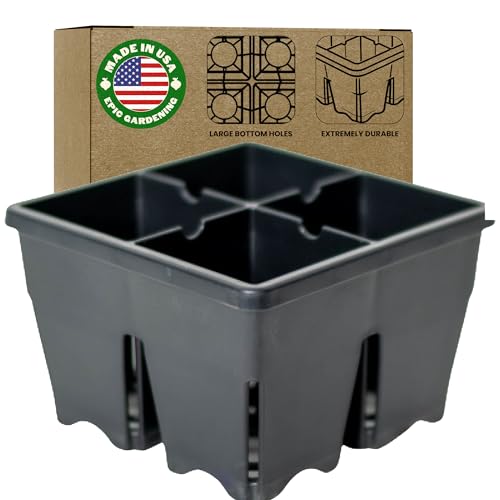
Epic Gardening 4-Cell Seed Starting Tray, 4 inch
For transplants in short seasons.
Check price on Amazon
Sources we used
Four land-grant extension services and three seed companies supplied the growing advice on this page, read in October 2026. Where sources disagree, both figures are shown.
- University of Illinois Extension: "Pumpkin", "Summer Squash" and "Winter Squash"
- University of Minnesota Extension: "Growing summer squash and zucchini" and "Pumpkins and winter squash"
- University of Maryland Extension: "Growing Pumpkins in a Home Garden" and "Growing Winter Squash in a Home Garden"
- Clemson Cooperative Extension: "HGIC 1321, Summer Squash" and the 2019 "Tromboncino Squash" note
- "Johnny's Selected Seeds: Winter Squash Key Growing Information"
- Tromboncino pages from "Fruition Seeds" and "West Coast Seeds"
- "NOAA NCEI: U.S. Climate Normals, 1991-2020": freeze dates (50 percent probability) behind the squash calendar
Related guides
- How to grow tomatoes, the other warm-season staple
- How to grow peppers, planted into the same warm soil
- How to grow cauliflower, a cool-season crop for the other half of the year
- How to grow zucchini, the summer squash in depth
- How to grow cucumbers, vining cousins sown after frost
- How to grow melons, more cucurbits for hot summers
- How to grow okra, which also wants summer heat
- How to grow beans, the third of the three sisters
- The cucurbit family hub, tying squash to its cucumber and melon relatives
Frequently asked questions
When should I plant pumpkins?
Plant pumpkins once frost is past and the soil reaches 65 F at two inches, the University of Minnesota's mark for pumpkins and winter squash; summer squash wants 70 F. Clemson measures 60 F at four inches instead. For Halloween fruit, Illinois Extension plants from late May in the north to early July in the far south.
How do you plant pumpkin seeds?
Sow pumpkin seeds in warm soil, 1/2 to 1 inch down. Illinois Extension plants four or five seeds per hill, one inch deep, with 5 to 6 feet between hills, and thins to the two or three strongest plants. Minnesota sows three-fourths of an inch deep, and Maryland plants about 1/2 inch deep.
How long does it take to grow a pumpkin?
Most pumpkins need more than 100 days to ripen, the University of Maryland says, and it gives winter squash 60 to 100 days. Subtract those days from your first fall frost date to find the latest sowing date. Johnny's Selected Seeds takes about 14 days off a variety's days to maturity when you set out transplants instead of sowing.
When do you harvest butternut squash?
Harvest butternut, like other winter squash, once the rind is hard and the color is deep and solid, Illinois Extension says, and pick it before a hard freeze (Minnesota). Cut it with about two inches of stem attached, as Maryland advises. Illinois expects butternut to keep only up to 3 months, less than the large hard-rind squash.
How do you cure butternut squash?
Cure butternut in the sun for about 5 to 7 days in the field, or indoors at 80 to 90 F with ventilation for 3 to 5 days, Johnny's Selected Seeds says. Minnesota cures indoors at 80 F in cold or rainy weather. Store it dry near 55 F, never in the refrigerator, which Illinois calls too humid.
Is tromboncino a summer or winter squash?
Tromboncino is both. It is a Cucurbita moschata, the butternut species, usually picked young as a summer squash, while fruit left on the vine matures into a winter squash. Clemson Extension says its dense, solid stems shrug off the squash vine borer, and Fruition Seeds lists 100 days to a winter harvest, with wetter, less sweet flesh than butternut.
Why are my squash flowers falling off without fruit?
The first squash flowers are usually male, and each drops after a day; Illinois Extension says the earliest blooms are almost always male. Female flowers, with a small fruit at the base, follow; Maryland says pumpkins can bloom male-only for 1 to 2 weeks. If female flowers drop too, poor pollination in cold, wet or cloudy weather is the usual cause.
Can squash and pumpkins cross-pollinate?
Yes, but only within a species: Illinois Extension says zucchini can cross with acorn squash and jack-o'-lantern pumpkins. The cross does not change this year's fruit; it shows only if you save the seed and grow it next year. Butternut belongs to another species, and Illinois says it can grow beside Small Sugar pumpkin without crossing.